Summary and Analysis of British and American Poetry
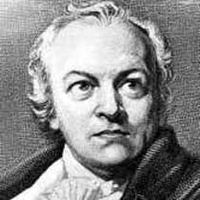
The Tyger by William Blake is taken from The Songs of Experience. The tiger itself is a symbol for the fierce forces in the soul that are necessary to break the bonds of experience. The tiger also stands for a divine spirit that will not be subdued b ...More
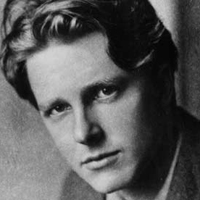
The Soldier is a sonnet in which Brooke glorifies England during the First World War. He speaks in the guise of an English soldier as he is leaving home to go to war. The poem represents the patriotic ideals that characterized pre-war England. It por ...More
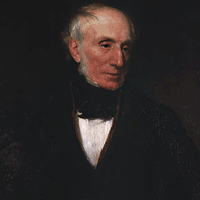
The poem Lines Composed A Few Miles Above Tintern Abbey is generally known as Tintern Abbey written in 1798 by the father of Romanticism William Wordsworth. Tintern Abbey is one of the triumphs of Wordsworth's genius. It may he called a condensed spi ...More
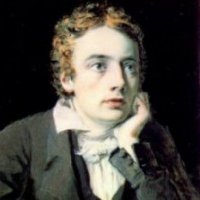
In this poem Keats describes the season of Autumn. The ode is an address to the season. It is the season of the mist and in this season fruits is ripened on the collaboration with the Sun. Autumn loads the vines with grapes. There are apple trees nea ...More
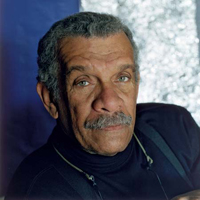
A Far Cry from Africa by Derek Walcott deals with the theme of split identity and anxiety caused by it in the face of the struggle in which the poet could side with neither party. It is, in short, about the poet’s ambivalent feelings towards the Ke ...More
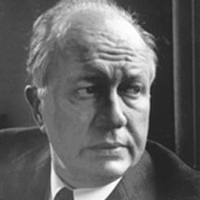
When the narrator was young, he would dance around with his father. He would put his feet on top of his father's. He would smell the whiskey on his father’s breath. It had an unpleasant feeling of loss of balance. But he would continue with great d ...More

Ted Hughes' poem 'Hawk Roosting' on its literal level of meaning is an expression of a bird of prey, the hawk, which is sitting on a tree and meditating about its power of destruction, its ability to suppress change, and its conceited arrogance and s ...More
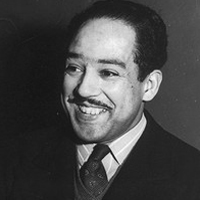
The poem Harlem by Langston Hughes reflects the post-World War II mood of many African Americans. The Great Depression was over, the war was over, but for African Americans the dream, whatever particular form it took, was still being deferred. Whethe ...More
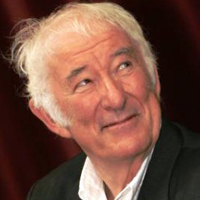
The poem Punishment by Seamus Heaney was inspired by the discovery of a dead body of a young girl who was believed to be killed on the charge of adultery. Heaney takes this discovery as an ancient example of brutality and links it with the modern for ...More
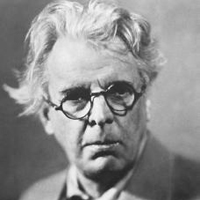
A Prayer for My Daughter by William Butler Yeats opens with an image of the newborn child sleeping in a cradle. A storm is raging with great fury outside his residence. A great gloom is on Yeats’ mind and is consumed with anxiety as to how to prote ...More
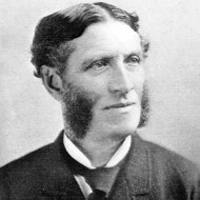
In Dover Beach Matthew Arnold is describing the slow and solemn rumbling sound made by the sea waves as they swing backward and forward on the pebbly shore. One can clearly hear this monotonous sound all the time. The withdrawing waves roll the pebbl ...More

Mac Flecknoe is the finest short satirical poem in which Dryden has treated Thomas Sahdwell with humorous contempt. Mac Flecknoe is both a personal and literary satire. Dryden presents Shadwell as a dull poetaster, a corpulent man and a plagiarist. D ...More
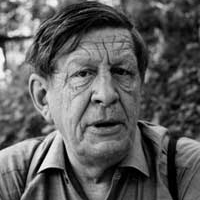
The Unknown Citizen, first published in the Listener on August 1939, and later included in the Collected Shorter Poems, 1950, is a satire, not on the citizen, but on the way in which the average man in the street is controlled by the conventions of b ...More
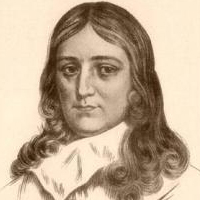
By unanimous consent 'On His Blindness' is Milton's best sonnet in which English poetic art attains a sublime height. Actually, it is not a mere poem. It is the inner voice of a man who has resigned himself entirely to the will of God and depends onl ...More
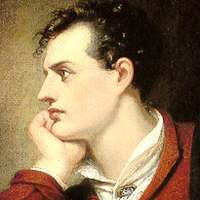
The first canto of Don Juan contains basically the introduction to the main character Don Juan, besides some story by way of introducing his parents and his first love affair. Byron, however, manages to expose so many things of the 'vain culture' of ...More

The epic is a narrative poem, of supposed divine inspiration, treating of a subject of great and momentous importance for mankind, the characters of the story being partly human and partly divine, and the language and style in which the incidents ar ...More

Fern Hill by Dylan Thomas is an autobiographical poem in which Thomas uses the memories of childhood days in order to explore the theme of a journey from innocence to experience. The theme is based on William Blake’s division the world of experienc ...More
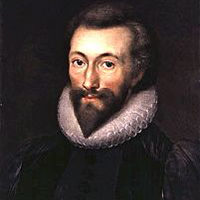
The poem The Ecstasy is one of John Donne's most popular poems, which expresses his unique and unconventional ideas about love. It expounds the theme that pure, spiritual or real love can exist only in the bond of souls established by the bodies. For ...More
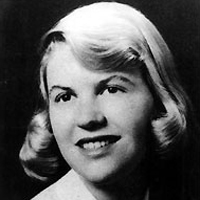
This poem is a very strong expression of resentment against the male domination of women and also the violence of all kinds for which man is responsible. The speaker expresses her rage against her 'daddy', but daddy himself is a symbol of male.More
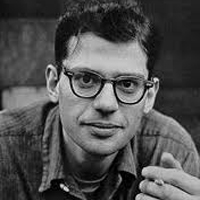
Howl is a social commentary and revolutionary manifesto of Beats generation. The poem relies on linguistic grandeur, operatic catalogs, obscene references, and rambling digressions. The poem is in elegiac tone; the tone of mourning. Ginsberg presents ...More
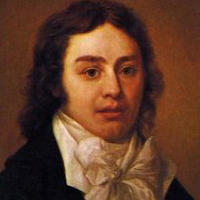
Kubla Khan was written in 1798 but not published until 1816. It was then issued in a pamphlet containing Christabel and The Pains of Sleep. It is one of those three poems which have made Coleridge, one of the greatest poets of England, the other two ...More
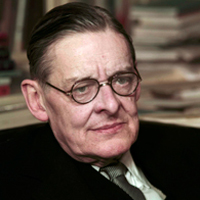
The poem Journey of the Magi is based on the theme of the Bible. It is full of religious feeling. The visit of the Three Wise Men of East to Palestine at the time of Christ's birth has been described in a very realistic way. The wise men started thei ...More
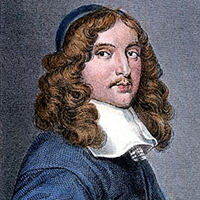
The Garden by Andrew Marvell is a unique poem which is romantic in its expression, metaphysical in its word-game, and classical in its music. It is romantic because it is about the nature in subject and theme, and it is the expression of the poet's p ...More

The poem The Mother is an anti-abortion poem by the poet Gwendolyn Brooks. It is an emotional outpour of the sense of guilt by a mother who has performed one or more abortion. She first speaks to the mothers who have done abortions like herself. She ...More

The speaker is passively exposed to the photograph in Atwood's poem This Is a Photograph of Me. Thematically, the title is in passive, the first sentence is in passive voice. This is a photo others have taken of me. This is a history of me which othe ...More

The poet William Shakespeare thinks that his love is incomparable. He can’t compare her to the summer’s days because; she is lovelier and milder than it. In summer the stormy winds weaken the charming rosebuds and the prospect of renewed health o ...More
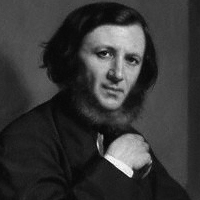
Browning’s My Last Duchess is an exemplary dramatic monologue for which Browning is best known. The drama that this poem represents is set in ‘Ferrara’, the capital of a province in Italy that was famous for its ‘high’ culture during the Re ...More
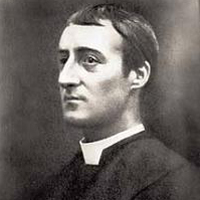
The Windhover by Gerard Manley Hopkins is a semi-romantic, religious poem dedicated to Christ. It is a usual Hopkinsian sonnet that begins with description of nature and ends in meditation about God and Christ and his beauty, greatness and grace. The ...More
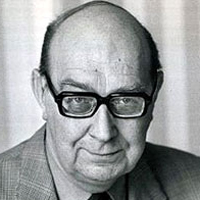
The poem The Whitsun Weddings by Philip Larkin is about the poet's journey to London in a train. The day is a Whitsun Day on which the British Government frees marriage taxes for one day. Therefore the day fascinates people belonging to the lower eco ...More
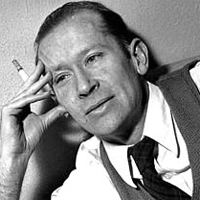
Buffalo Bill's by Cummings plays with more than one possibility of meaning and attitude of the poet towards the subject, the dead hero, Buffalo Bill. In one sense, the poem is an expression of respect towards the heroic personality of the man. But if ...More
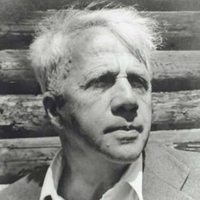
In the poem The Silken Tent the poet is comparing the tent with the woman whom the poet loved. The summer breeze stirs the tent and has dried the dew. When the dew has dried, the tent becomes tight. And all its ropes also have become loose and the ro ...More

The speaker describes the tigers which her aunt produced by using colored threads on heavy cloth. They are set in motion. They are moving quickly by raising the front legs and jumping forwards on the back legs. In the green jungle they look bright ye ...More
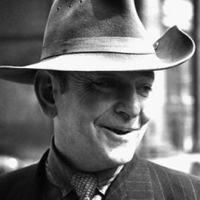
The poem Zulu Girl is a powerful yet pathetic recreation of the hardship and endurance of the South African people. Roy Campbell makes the masculinist equation i.e. male is equals to culture and female is equals to nature. It poses an immediate probl ...More
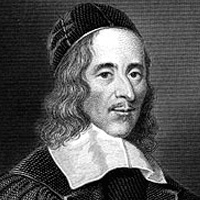
The Pulley by George Herbert is a religious, metaphysical poem which centers on the ‘pulley’ as a prime conceit in the poem. Herbert wants to unveil the truth that why human beings are so restless and unsatisfying despite having all the things he ...More

The speaker of this poem belongs to the lower class. When Richard Cory went to the city, the speaker and his friends would look at him. Richard Cory looked a perfect gentleman. He seemed to be enjoying all the advantages. He was well dressed. He talk ...More
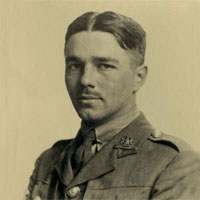
Anthem for Doomed Youth, as the title suggests, is a poem about the waste of many young men in the First World War. The word ‘anthem’ in the title, unlike a national anthem that glorifies a country, is ironical, for there is just the opposite of ...More
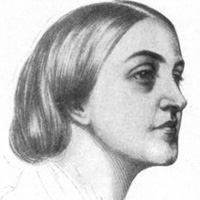
The first stanza of the poem describes the world of the living people. The poet addresses her dearest one and asks him not to sing sad songs for her when she is dead. She does not want others to plant roses or shady cypress tree at her tomb. She like ...More

The speaker woke up in the dark night and wanted to tell somebody about his dream. He addressed the darkness as his old friend and started to describe it as he had done before. He said that when he was sleeping a vision left its seeds and it was deep ...More
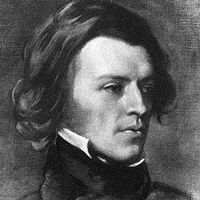
The first stanza of the poem Break, Break, Break, by Alfred Lord Tennyson presents the picture of the poet sitting near his friend's grave on the sea-beach as he says “Break Break, Break, On thy cold gray stones, O Sea! And I would that my tongue c ...More
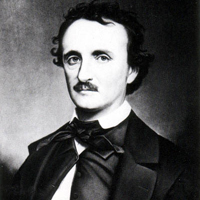
The Raven by Edgar Allan Poe is a narrative of a young man who is bereaved by the death of the woman he loved. He compulsorily constructs self-destructive meaning around a raven’s repetition of the word 'Nevermore', until he finally despairs of bei ...More

Elizabeth Bishop's poem The Fish displays her ecological awareness that leads her to accept a relationship of coexistence between human beings and nonhuman beings. This ecological awareness in the poem is reflected when she leaves the fish free. It i ...More
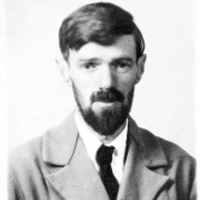
This poem Piano is about a fully grown adult recalling about the past. In this poem 'piano' serves as a metaphor of nostalgia. The poet may be trying to say that the function of music is to release us from the tyranny of conscious thought. Every man ...More

In the poem The Grandmother, the American-Indian poet, Ray Young Bear, draws a picture of his grandmother, all-loving, all-inspiring. His grandmother would wear a purple scarf round her head for warmth and she would go to market with a plastic shoppi ...More
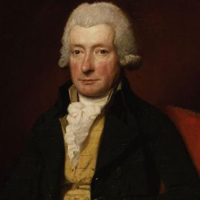
The poplars are cut down and we don’t get here any shade and the sound of the wind. They used to grow along River Ouse and we could see their reflection in the water, but now there is nothing to see. The poet once used to sit under the trees. Now h ...More
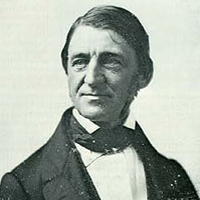
The Snow Storm is one of the most noted poems of Emerson because it implicitly states his philosophy of the transcendental spirit in the nature. This poem describes very succinctly how the nature’s creative force leaves an amazing architectural lan ...More
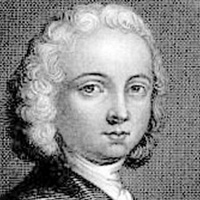
Ode to Evening is one of the finest poems of Collins in his collection 'Odes on Several Descriptive and Allegorical Subjects'. It is composed in a single stanza of fifty two lines with unrhyming pattern. This beautiful poem is addressed to the evenin ...More
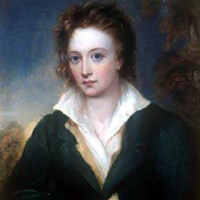
The Cloud by Shelley is perhaps the most important one in Shelley's poetry in terms of imagery and symbols. It symbolizes the force and harbinger of revolution. It is the agent of change that inspires one to move from apathy to spiritual vitality. It ...More
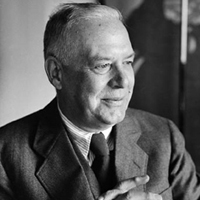
Sunday Morning is a meditative poem in which Stevens presents a woman who is frightened by the thought of death when she hears the church bells. The poet initially appreciates the woman's rational thoughts as she refuses to accept the romantic fancie ...More
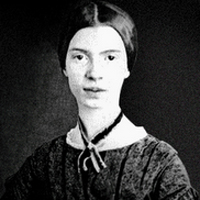
Because I Could Not Stop for Death is one of the most admired poems of Emily Dickinson. The greatest charm of the poem is in its ambiguity and the elusive nature of the heart of the meaning of the poem. The poem inspires more doubts than can be answe ...More
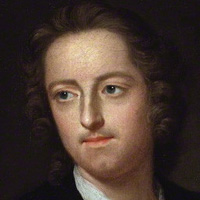
Gray's Elegy Written in a Country Churchyard is composed in quatrains, where the first line rhymes with the third, and the second with the fourth. Elegiac poetry is mostly written in abab form. The last three stanzas of the poem have been written in ...More
Browse by Poets
 |
bachelorandmaster.com |