The Way of the World as Restoration Comedy
Restoration as a historical period was a time when England was an established colonial power in the world. It was a time of materialism and commerce and the people of the period emphasized money, pleasure and sex. Love and marriage were judged in terms of money. Artificiality and immorality were the defining features of the age. People looked towards relaxation and pleasure and serious things mattered less to them.
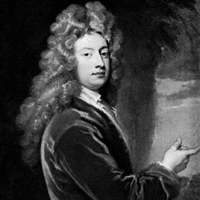
William Congreve (1670-1729)
By highlighting these things, The Way of the World exposes the issues of money, love, sex, marriage and in short the behavior of the people of the time in the language of prose. The rakes, fops, gallants and wits are the primary types dealt with in a language that is outwardly brilliant but lacking philosophical and emotional or psychological depth. This makes the play a typical restoration comedy of manners. The mode employed is satiric and ironic which befits the social reality of the time.
In the restoration period there was a moneyed class with leisure. Pursuit of sexual pleasure and money was the main concern of the people. Marriage was not just like as an institution for procreation or for providing stability to social life. It was seen as a mercenary venture. The Way of the World contains characters who resort to sexual innuendos and vulgar jokes. Humor and wit are the key ingredients of this play. The characters represent many aspects of the society of the time and the aristocracy in particular. Mirabell is a wit and a manipulator. He uses language in a very witty manner. The clever use of language makes his speech brilliant on the surface, but it has no psychological depth underneath. He pretends to love Lady Wishfort so that he can move closer to Millament. His eyes are on her fortune. Love and marriage are guided by a desire for material gain. Finally, the villain of the play is intent on laying his hand on a Lady Wishfort’s fortune. He marries Mrs. Finally not because his love for her is true, but because he takes it as a mercenary venture. Millament is a typical Restoration Coquette and Mirabell, a representative beau. Petualant and Witwood are the typical fops of Restoration drama. They are more concerned with dress and appearance than with anything else.
Use of wit is a remarkable aspect of Restoration Comedy. The characters use language in a very tricky and clever way. Use of repartee basically refers to quick replies while the report is related to sharp return in speech. Wit was a sharp weapon in the late seventeenth century, to be used for the amusement of those intelligent enough to follow the exchange. While talking to Mrs. Finally, Mirabell provides an example of wit as he comments on early eighteenth century marriage. He says, “You should have just so much disgust for your husband as may be sufficient to make you relish your lover.” The whole plot of the play revolves around the issues of adultery, marriage and fortune hunting. As we see the plot unfold the characters reveal themselves through their pursuits and behavior. The way they behave makes laughter inevitable. Through this Congreve is satirizing the behavior of the people of then English society. It is a typical Restoration Comedy of Manners.
Since the age was not capable of feeling the intensity of tragic emotions, witty and light hearted dramatic stuff worked much better with them. The shallowness and vulgarity of the time are convincingly brought to light. The play is written in prose to depict the age of commerce and money. The language of money is the number and prose, not the poetry. The play does not end with everyone happy, but Mirabell and Millamant possess the advantage and look forward to marriage. Finally, all deception is revealed, the proper lovers are joined, and the complications are smoothed out. As the play carefully examines the relationships between the sexes and the impediments a sophisticated society throws between them the play transcends its age and becomes a timeless comedy. As it embodies the major features of the Restoration Comedy of manners, it is a representative play of the age. It is a brilliant comedy of manners. By holding up to ridicule the foibles and follies of the age, it shows ways to social reform which is what a comedy basically does.
Center for The Way of the World
Introduction of The Way of the World
Summary of The Way of the World
Licentiousness and Superficiality in the Novel
 |
bachelorandmaster.com |