Robin Redbreast by Stanley Kunitz: Summary and Critical Analysis
The poem 'Robin Redbreast' is a quietly ironic poem in which the speaker, an inmate of the same house as a 'helpless' bird, realizes the necessity and importance of freedom after he has been overthrown from his rented house and when he sees the bird shot down. The fate of the man is concealed, but the parallelism with that of the bird reveals it to the reader.
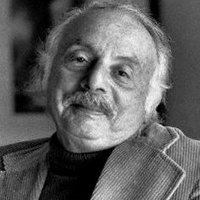
Stanley Kunitz (1905-2006)
The poem begins by narrating in an off-hand manner. The speaker in the poem is sitting in his room with an empty page which suggests that he is seeking to fill that empty page with the creation. He wants subject matter. He was meditating alone. Fortunately, he heard squawking of the bird. He knows Robin Redbreast had become the victim, wounded circling in pain, making its last efforts to live. Perhaps, it was begging the poet its life and the replacement of the lost organs. The speaker, being helpless, stands fearing, worried and watching the terrible sight of a life being gripped by silent death.
At first, the speaker expresses almost scornful feelings, an arrogant attitude and a confidence about himself that make us doubt whether he is as safe and great as he is boasting. He says that the bird was 'the dingiest….you ever saw’. He goes on to describe the bird, Robin Redbreast, with this same tone. The bird looked as if its color was washed away. Around line six, the narrator tells us a clue to the whole concern related to this common bird in his mind. It seems that the speaker was a writer, as the 'page' suggests. These details further suggest that something has gone wrong with the life of this speaker also. His Eden went wrong, when his house was marked for sale. We can understand that the poem is in general about the plight of the poor. This man had actually heard the sounds of the bigger and aggressive birds torturing the poor robin, but most probably he had managed to ignore, because nothing had happened to him! The speaker was detached and indifferent till now towards the bird. But, later on the speaker says ‘Poor thing, Poor foolish life!' the speaker is not as heartless as he is shown earlier in the poem.
The poem takes the final turning when the speaker says, "But when I held him high, fear clutched my hand..." This brings the enlightenment to him and also to us about the plight of all of us in the contexts of the social and existential forces beyond our control. The poem becomes more and more symbolic as it develops towards the end. At the end, we see that the poor man realizes how necessary freedom is, when he looks to the boundless sky through the hole in the head of the bird! The speaker still hesitates to tell the truth openly that he was also in no better a position than the bird in certain ways.
The poem moves from the informality and condescending attitude to more serious and empathetic feelings for the bird. Its main technique is the irony. First, it is ironical that the strong, big and social man is also vulnerable in its society like the bird that is tormented by other birds of violence and injustice. Second, it is ironical that the man had never realized this before things happened to him also. And finally it is even more ironic that he is still not, like a typical human male, willing to confess and admit his pathetic condition that is no better than a bird. The only difference is that he has learnt a lesson from the bird. The regard for the bird is, however, implicit beneath the man’s misery for words and feelings.
The poem also carries the theme of mortality (death), humanity, suffering, desire to live and cruelty of mankind. An irony is evident when we see a contrast between a cruel hunter and a sympathetic speaker. In the poem a bird is injured and the speaker scoops him into his hands. The bird appeals for help which suggests that the desire to live boils in every living creature, whatever their size, race, color and species are. But the speaker is not capable enough to save him. If any creature is old or dead the whole charm vanishes and ugliness surrounds it. When speaker looks through the hole of the bird's head and sees the vast unappeasable sky. It refers to the vast cosmos, which suggests life comes out of the cosmos and dissolves into the cosmos once again.
Cite this Page!
Sharma, Kedar N. "Robin Redbreast by Stanley Kunitz: Summary and Critical Analysis." BachelorandMaster, 18 Nov. 2013, bachelorandmaster.com/britishandamericanpoetry/robin-redbreast.html.